How Do You Know It’s Time for Assisted Living? 10 Signs Families Shouldn’t Ignore
Table Of Contents
- 0.1. 1. Daily Tasks Such as Bathing and Dressing Become Difficult
- 0.2. 2. Frequent Falls or Safety Concerns at Home
- 0.3. 3. Memory Changes Become More Noticeable
- 0.4. 4. Increasing Social Isolation and Loneliness
- 0.5. 5. Poor Nutrition and Unexplained Weight Loss
- 0.6. 6. Changes in Personal Hygiene
- 0.7. 7. Family Caregivers Feel Physically and Emotionally Overwhelmed
- 0.8. 8. Managing Medications Becomes More Challenging
- 0.9. 9. The Home Is No Longer a Safe Environment
- 0.10. When Should You Start Talking About Assisted Living?
- 0.11. 10. More Daily Interaction Could Improve Quality of Life
- 1. Conclusion
Deciding whether it’s time for assisted living is one of the most emotional decisions a family can face. Many adult children find themselves asking difficult questions: Is my loved one still safe at home? Am I making this decision too soon? Will they be happier if they receive more support?
The truth is that choosing assisted living isn’t about taking away someone’s independence. It’s about protecting their well-being, preserving their dignity, and ensuring they continue to enjoy a fulfilling and meaningful life.
According to the National Institute on Aging (NIA), most older adults want to remain independent for as long as possible. However, changes in mobility, memory, overall health, or the ability to perform everyday activities may eventually make additional support the safest and healthiest option. Recognizing these changes early allows families to make thoughtful decisions before a crisis occurs, helping ensure their loved one continues to live with dignity, comfort, and the best possible quality of life.
While every person’s situation is unique, there are common signs that may indicate additional daily support could significantly improve both their quality of life and your family’s peace of mind.
Here are ten important signs to consider.
1. Daily Tasks Such as Bathing and Dressing Become Difficult
Why Daily Assistance Can Improve Quality of Life
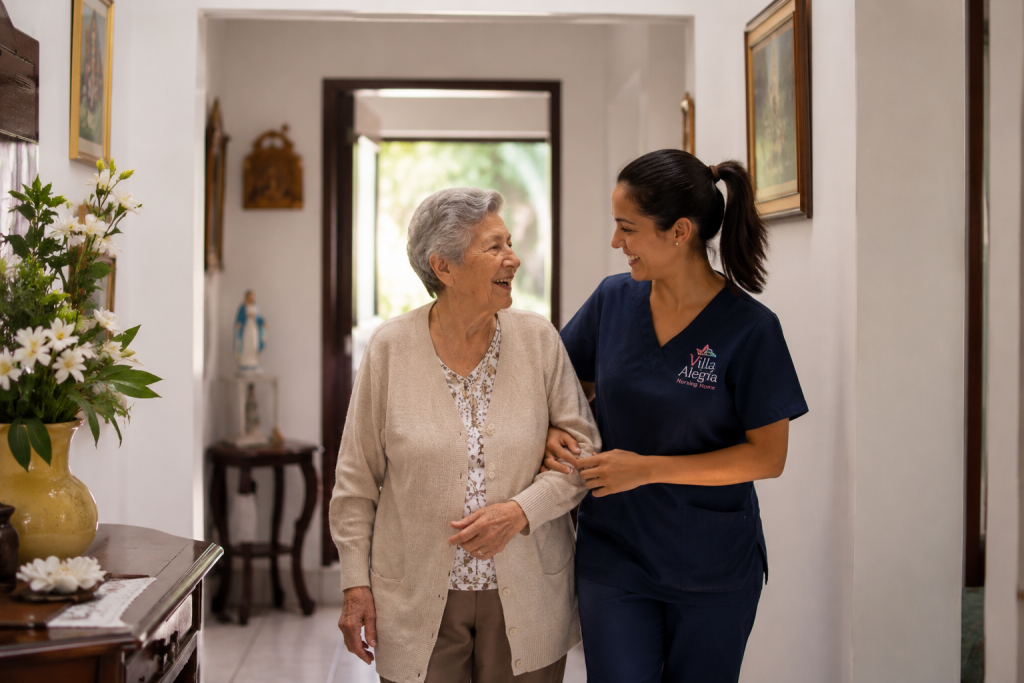
Everyday routines that once seemed simple can gradually become challenging with age. If your loved one is having difficulty bathing, getting dressed, preparing meals, or keeping up with household chores, it may be a sign that they would benefit from additional support.
The National Institute on Aging refers to activities such as bathing, dressing, eating, transferring, and personal care as “Activities of Daily Living” (ADLs). Difficulty performing these essential tasks often indicates that additional support may improve both safety and quality of life.
Often, older adults try to maintain their independence by struggling through these activities alone, even when they have become physically exhausting or unsafe. Receiving assistance with daily tasks allows them to conserve energy, reduce frustration, and focus on enjoying life rather than worrying about everyday responsibilities.
2. Frequent Falls or Safety Concerns at Home
Why Falls Should Never Be Ignored
One of the biggest reasons families begin considering assisted living is safety.
According to the National Institute on Aging (NIA), more than one in four adults age 65 and older experiences a fall each year. Falls are one of the leading causes of injury among older adults, but many can be prevented through proper support, medication management, exercise, and safer living environments.
A single fall can have lasting physical and emotional consequences, often reducing an older adult’s confidence and independence. Repeated falls may indicate that additional support is needed. In addition, stairs, poor lighting, loose rugs, and other household hazards can increase the risk of injury.
Safety concerns may also include medication mistakes, difficulty moving around the house, or accidents that occur while performing routine activities.
Creating a safe environment can greatly reduce these risks while providing peace of mind for both seniors and their families.
3. Memory Changes Become More Noticeable
Occasionally forgetting where you placed your keys is a normal part of aging. However, consistently missing appointments, forgetting to take medications, becoming confused about dates or familiar places, or repeating the same questions frequently may indicate that additional support is needed.
While occasional forgetfulness is a normal part of aging, persistent confusion, missed appointments, or difficulty managing medications should be evaluated by a healthcare professional. Memory changes do not always mean Alzheimer’s disease or another form of dementia, but they should never be ignored. Early assessment allows families to explore appropriate care options, plan ahead, and access the support their loved one may need before daily challenges become overwhelming.
4. Increasing Social Isolation and Loneliness

The Emotional Impact of Social Isolation
Loneliness is one of the most overlooked challenges older adults face.
Research has shown that prolonged loneliness and social isolation are associated with poorer physical and mental health outcomes in older adults. Regular social interaction, meaningful relationships, and engaging activities play an essential role in healthy aging.
As friends move away, health changes occur, or driving becomes difficult, many seniors gradually spend more time alone. Over time, social isolation can contribute to depression, anxiety, reduced cognitive stimulation, and a lower overall quality of life.
An assisted living community provides daily opportunities for conversation, shared meals, recreational programs, and meaningful social connections that help older adults stay engaged, maintain emotional well-being, and enjoy a greater sense of purpose.
5. Poor Nutrition and Unexplained Weight Loss
Healthy nutrition and proper hydration become increasingly important with age. Poor eating habits can contribute to weakness, weight loss, reduced immunity, and a decline in overall health.
As people age, preparing balanced meals and maintaining proper nutrition can become more challenging. Weight loss, skipped meals, dehydration, or an empty refrigerator may all suggest that an older adult is struggling to meet their nutritional needs.
Good nutrition supports energy, immune function, muscle strength, and overall health, making it an essential part of healthy aging.
6. Changes in Personal Hygiene
Changes in personal hygiene can sometimes indicate that everyday self-care has become physically or emotionally challenging.
Wearing the same clothes for several days, bathing less frequently, or neglecting grooming habits may suggest that additional assistance would improve both comfort and confidence.
Maintaining personal hygiene isn’t simply about appearance—it contributes to health, dignity, and self-esteem.
7. Family Caregivers Feel Physically and Emotionally Overwhelmed
Supporting Family Caregivers
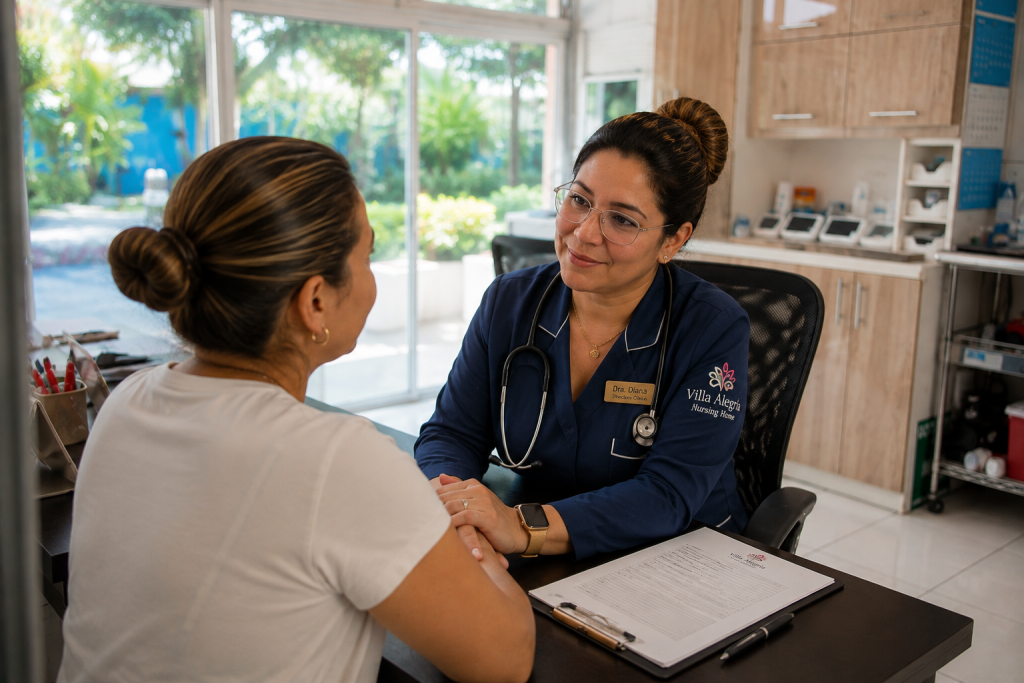
Caring for a loved one is an act of love, but it can also become physically exhausting and emotionally overwhelming.
Many family caregivers balance careers, raising children, personal responsibilities, and caregiving at the same time. Over time, the constant demands can lead to stress, burnout, guilt, fatigue, and even affect their own physical and emotional well-being.
According to the National Institute on Aging (NIA), family caregiving often involves balancing multiple responsibilities while providing ongoing support to an older adult. Seeking professional assistance is not a sign of failure—it is often one of the most compassionate and loving decisions families can make for both themselves and their loved one.
When caregivers receive the support they need, they are better able to maintain meaningful relationships with their loved one while enjoying greater peace of mind, knowing they are safe, well cared for, and receiving the attention they deserve.
8. Managing Medications Becomes More Challenging
Managing multiple medications can become increasingly challenging as people age. Missed doses, taking duplicate medications, or confusion about prescriptions can increase health risks and may indicate that additional daily support is needed.
Many older adults take multiple medications every day, each with different schedules and instructions.
Having consistent support with medication management helps ensure treatments are followed safely and accurately.
9. The Home Is No Longer a Safe Environment
Sometimes the home that once provided comfort begins presenting new risks.
According to the National Institute on Aging, it is important to regularly evaluate the home for potential hazards such as poor lighting, loose rugs, stairs, and other obstacles that may increase the risk of falls and injuries.
Leaving the stove on, forgetting to lock doors, struggling to navigate stairs, or experiencing repeated accidents around the house are all signs that the current living environment may no longer meet your loved one’s needs.
A safer environment can significantly reduce stress while allowing older adults to maintain greater confidence and independence in their daily lives.
When Should You Start Talking About Assisted Living?
One of the biggest mistakes families make is waiting until a crisis forces the decision.
Having an open and honest conversation early gives your loved one the opportunity to express their wishes, ask questions, and participate in planning their future.
Rather than focusing on what may be changing, focus on what can be gained: greater safety, meaningful friendships, daily support, and a better quality of life.
Starting the conversation early often leads to a smoother transition and less stress for everyone involved.
10. More Daily Interaction Could Improve Quality of Life

Perhaps the most important question isn’t simply whether your loved one needs assistance—it’s whether they could enjoy a richer, more fulfilling life.
Meaningful friendships, engaging activities, beautiful outdoor spaces, daily routines, and compassionate companionship all contribute to emotional well-being and a greater sense of purpose.
At Villa Alegría, we believe that quality care extends beyond meeting physical needs. Every day is an opportunity to build friendships, participate in enjoyable activities, spend time in peaceful gardens, and feel part of a warm, supportive community where every resident is treated with dignity, kindness, and respect.
Conclusion
Choosing assisted living isn’t about giving up independence—it’s about preserving it in the safest and most supportive way possible.
By recognizing these signs early, families can make thoughtful decisions that prioritize comfort, companionship, safety, and overall quality of life before everyday challenges become overwhelming.
Every family’s journey is different, and there is no single “right” moment to make this decision. However, having the conversation early often leads to a smoother transition and greater peace of mind for everyone involved.
If you’re beginning to ask whether assisted living might be the right next step for someone you love, know that you don’t have to make the decision alone. Understanding the signs is the first step toward ensuring your loved one receives the care, support, and fulfilling lifestyle they deserve.
Frequently Asked Questions
How do I know when it's time for assisted living?
It may be time to consider assisted living if your loved one is struggling with daily activities, experiencing frequent falls, forgetting medications, becoming socially isolated, or showing changes in memory or nutrition. Recognizing these signs early allows families to make thoughtful decisions before a crisis occurs.
What's the difference between assisted living and a nursing home?
Assisted living is designed for older adults who need help with daily activities while maintaining as much independence as possible. Nursing homes provide a higher level of medical and skilled nursing care for individuals with more complex health conditions or ongoing medical needs.
Will my loved one lose their independence?
No. Assisted living is designed to support independence, not replace it. Residents receive help only with the activities they need assistance with while maintaining as much freedom as possible. Many continue enjoying hobbies, social activities, and daily routines in a safe and supportive environment.
We're Here to Help
Ready to Explore Assisted Living?
Choosing the right care for a loved one is an important decision, and you don't have to make it alone. Our team is here to answer your questions, explain your options, and help you determine whether Villa Alegría is the right fit for your family.
Schedule a VisitChat With Us on WhatsAppReferences
National Institute on Aging (NIA)
National Institutes of Health (NIH)
Centers for Disease Control and Prevention (CDC)

